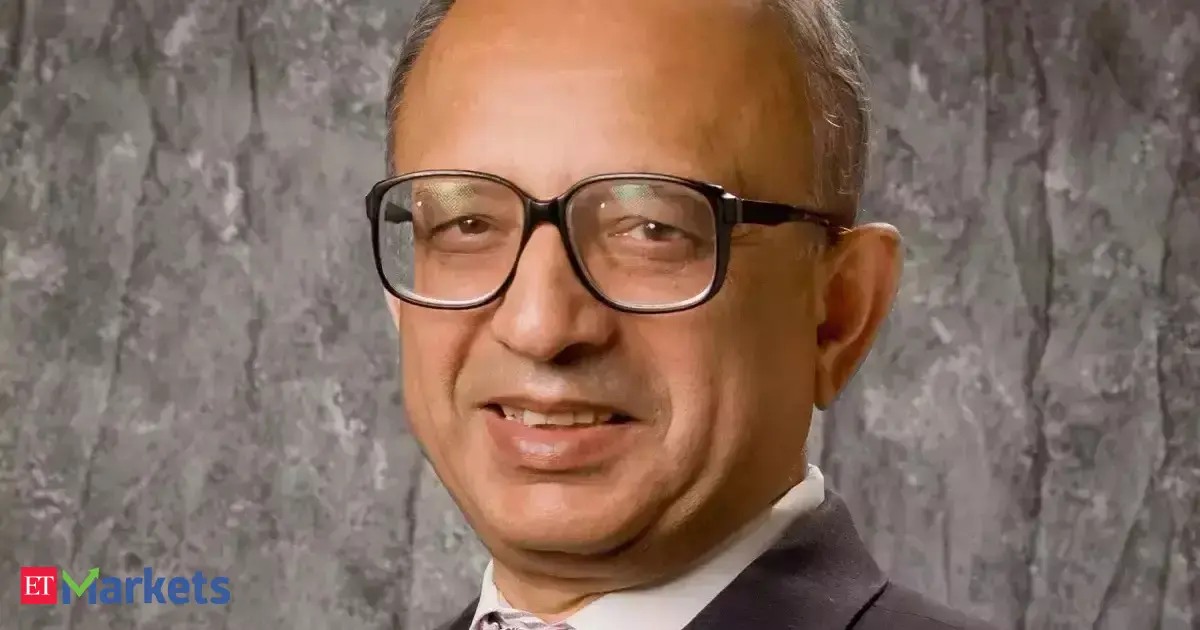
“Mr Trump is clearly trying to hurt Russia by hurting India,” Aiyar told ET Now. “India has refused to bow down to US pressure on Russian crude, and Washington is responding with tariffs. This is no longer just about trade; it’s about geopolitics.”
Aiyar believes that while Indian markets may see short-term disruptions for a quarter or two, they will eventually look past the volatility. “Markets tend to see through Mr Trump’s day-to-day swings. They expect that things will be ironed out in the medium term,” he said.
Arms, allies, and hostility
The larger concern, Aiyar argued, is the signal such tariffs send for India’s defence ties with the US. “If we are treated as an enemy with 50% tariffs, why should we buy billions worth of aircraft from America?” he asked, pointing out that Russia has long been India’s most reliable and cost-effective supplier of both crude oil and armaments.
Aiyar also highlighted the imbalance in Washington’s approach: “Pakistan faces a 19% tariff, China gets 200% threats, and we are being slapped with 50%. What sort of relationship does the US want with India?”
Trump’s shifting stance
On whether India could expect a reversal in US policy, Aiyar was blunt: “Mr Trump changes his mind every few hours. To predict his next move is impossible.” He recalled how, during Trump’s first term, India had retaliated to US duties on steel and aluminium with tariffs on 28 American products. “If needed, we can and should do it again. It’s time India stands firm,” he said.
Pharmaceuticals: a double-edged sword
Asked whether India’s large generic drug exports to the US could serve as leverage, Aiyar struck a cautious note. While India is the world’s largest supplier of generics to America, he warned against cutting supplies: “That would hurt our own industry and reputation. Instead, India could push back on intellectual property rights and make compulsory licensing of US drugs easier. That would hit American pharma companies directly.”
Domestic cushion limited
On the home front, Aiyar argued that India cannot rely solely on domestic demand to offset the export hit. “Exports to the US account for nearly 2% of GDP. That’s significant. Tax cuts or rate cuts cannot fully compensate for such losses,” he said. However, he noted that global trade often finds its own workarounds. “Even if direct exports to the US fall, some of our products may still find their way into American markets via third countries like Dubai or Singapore.”
Outlook: rough weather, but temporary?
In conclusion, Aiyar remained cautiously optimistic. “Yes, there will be pain for a couple of quarters. But in the long run, I don’t believe Trump wants India as a long-term enemy. Relations may be strained, but both sides will eventually find common ground.”
For now, however, markets and policymakers alike must prepare for turbulence ahead.
(Disclaimer: Recommendations, suggestions, views and opinions given by the experts are their own. These do not represent the views of the Economic Times)