
Flex Rigid PCBs
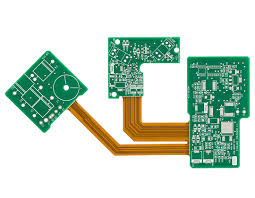
Rigid flex PCBs combine the best features of rigid and flexible circuit boards to meet unique design requirements. They have rigid sections that do not bend and flexible areas that can fold and flex, giving designers more flexibility in the placement of components. They also allow for better assembly by eliminating the need for bulky connectors and cables, reducing assembly costs and complexity while improving reliability.
When designing a flex rigid pcb, it’s important to know that the material used for the flex portion of the board must be strong enough to withstand vibration. Vibration creates mechanical stress that can impact rigid-flex PCBs and lead to material fatigue or interconnect reliability failures. To combat this, manufacturers use stiffeners made of FR-4 fiberglass or pressure-sensitive adhesives (PSA) to reinforce the flex section and reduce the risk of breakage.
Another factor to consider when designing a flex rigid PCB is its conductor material. The most popular conductor material is copper, which is available in rolled and electro-deposited forms. These foils are often chemically treated to reduce bond degradation, augment adhesion, and protect against oxidation.
Smart Grid Systems and Flex Rigid PCBs
The choice of materials and processes used for the rigid portion of a flex rigid pcb is also crucial to its performance. Manufacturers use a variety of materials, including Polyimide film and laminates with epoxy or thermoset resins. These materials can withstand high temperatures and resist environmental stresses like tearing, moisture, and humidity.
A final aspect to keep in mind when designing a flex rigid PCB that will be used in a harsh environment is the need for proper thermal cycling and testing. This is necessary to ensure that the flex rigid pcb will perform reliably and provide the expected level of functionality.
When designing a new flex rigid pcb, it’s essential to work with an electronic design software program that can incorporate rigid-flex design tools in a single application. These tools should include 3D capabilities, standard routing and layout, and unified rules-based design. Only with these tools can you easily design a flex rigid-flex PCB prototype and prepare it for manufacturing. This includes generating Gerber files, assembly drawings, and more. Learn more about preparing your flex-rigid PCB for manufacture with a trusted PCB partner like Sierra Circuits. We offer a full range of flex, rigid-flex and HDI-flex PCBs produced right here in the United States. Contact us today to get started.