
Flexible Printed Circuit Manufacturers Collaborate With Clients
A flexible printed circuit board (PCB) connects components in a product to control and distribute electrical signals. These devices are found in most electronic products, such as computers and smartphones. The PCB’s design is critical to the device’s functionality and reliability.
flexible printed circuit manufacturers collaborate with their clients to ensure that the final product will work as intended. This process involves reviewing the design of a PCB, taking into account its dimensions and mechanical properties, and identifying any potential challenges. This information is then used to develop a detailed design that will meet the client’s specifications and functional requirements.
Once the design of the PCB is finalized, it must undergo a series of fabrication procedures. These processes include etching, drilling, and soldering. The etching process uses a chemical solution to remove unwanted material from the copper surface of the PCB. This reveals the metal pads, which are then exposed during the drill-hole and component insertion processes. The copper pads are also coated with an insulator to prevent corrosion.
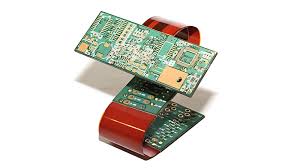
How Flexible Printed Circuit Manufacturers Collaborate With Clients
Drilling is another essential part of the etching process. The drilled holes are then filled with a conductive paste, which is bonded to the copper through a heat and pressure process. The final product is then plated with silver to make it resistant to corrosion and electromagnetic interference.
The etching and plating processes are followed by a number of finishing steps, such as applying tin and soft gold finishes to the surface of the PCB. These finishes protect the conductive paths from corrosion and improve the product’s aesthetics. In addition, they can help prevent the PCB from attracting static charges that could lead to short circuits.
When designing a flexible circuit, it is important to consider its bending capabilities. This is because the traces of installed components must pass through low stress areas of the circuit to reduce the risk of shorting and electrostatic discharge. A good PCB designer will account for this during the layout process, allowing for the routing of traces across the circuit.
Once the circuit is designed and etched, it must be passed through a rigorous quality inspection to ensure that it meets all of the client’s specifications and requirements. This includes a flying probe test to measure conductor heights and distances. This test allows for a quick and accurate assessment of the quality of the final product.
A reputable and experienced PCB manufacturer will be able to deliver high-quality, durable, and reliable flexible circuit boards that meet all of the client’s requirements. This process is facilitated by a team of skilled technicians who understand the limitations and capabilities of the manufacturing process. By collaborating with clients, they can create designs that are optimized for the flexible PCB manufacturing process and provide a superior end-product. These boards are often more resilient and cost-effective than rigid alternatives. Moreover, they will seamlessly integrate into the product’s shape and size, thereby reducing assembly time. This can ultimately result in higher productivity and greater savings for the client.