
Flex PCBs Handle Moisture and Humidity
Despite their inherent flexibility, flex circuits can encounter a number of challenges during assembly and high temperature exposure. A common issue is delamination, which results in the separation of layers that causes loss of functionality. While there are a variety of factors that can lead to this problem, the most frequent cause is moisture absorption. Consequently, proper handling and baking is essential for a dependable, long-lasting product.
In order to prevent moisture absorption, a flex PCB’s design should be as simple and efficient as possible. This means utilizing pad-only plating, which involves copper being deposited only on the pads and avoids wasting material on unnecessary traces. It is also recommended that designers use annular rings for vias to improve mechanical strength and reduce the risk of pinholes. Additionally, it is advisable to minimize trace and pad sizes to ensure that they fit within the thickness limits of the substrate.
Furthermore, the etch process used in flex pcbs should be optimized to eliminate the formation of micro holes. This will not only lower the overall cost of the board, but it will also enhance electrical performance. Additionally, implementing an etch profile that increases copper thickness and surface area will help prevent corrosion and shorting, which are common problems caused by high-temperature exposure.
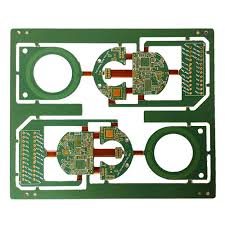
How Do Flex PCBs Handle Moisture and Humidity?
To further reduce the risk of moisture absorption, a flex circuit’s surface should be finished with an anti-static and humidity-barrier finish. In addition, the manufacturing facility should maintain a controlled environment and employ desiccants to absorb humidity and moisture in the air. Moreover, it is also important to bake the prepregs prior to lamination to ensure that they are moisture-free.
The hydroscopic nature of the polyimide materials used in flex circuits demands that they be pre-baked to eliminate all moisture prior to assembly. Depending on the design and layer count of the flex circuit, this may take 2 to 10 hours. The longer baking times are due to the complexity of the flex circuits, which involve multiple adhesive-based layers and externally bonded stiffeners.
For this reason, it is critical for a PCB manufacturer to document and adhere to a standard baking process. This includes recording temperature profiles and baking durations to ensure consistency in the product. The manufacturing process of flex PCBs is more complex than that of traditional rigid boards, requiring precise design and construction. Flexible substrates, such as polyimide or flexible polyester, are used to ensure the PCB retains its flexibility while maintaining its electrical performance.
These substrates are typically laminated with copper traces to form the conductive layers of the board. Once the design is complete, the flexible PCB is carefully etched to create the necessary electrical pathways, and the layers are bonded together. Despite the complexity of the process, advancements in PCB technology have made the production of flex PCBs more cost-effective, particularly for high-volume manufacturing.
Developing an advanced electronics assembly with a flex pcb requires expert knowledge of the materials and fabrication processes. This is why it’s important to work with a trusted partner that offers comprehensive support throughout every step of the process. Altium offers a full suite of CAD tools, automated drawing capabilities and manufacturing features in one integrated platform. Start your free trial of Altium Designer + Altium 365 today to get started with the flex PCB design software you need.