
pcb board assembly manufacturings improve signal performance
The manufacturing of a printed circuit board (PCB) involves a series of intricate and precise steps that are essential for the successful creation of electronic devices. From component placement to soldering and quality control, PCB assembly operations must be conducted with utmost accuracy to ensure that the finished product meets rigorous performance standards and upholds ethical and environmental considerations.
Among the key steps of the pcb board assembly manufacturing process are component placement, solder paste application, pick-and-place component population, reflow/wave soldering, inspection, test and conformal coating. Whether performed in-house or by contract manufacturers, these operations are critical to producing quality PCBs at the right cost.
Component Placement: Properly positioning the components of a PCB is essential to ensure signal integrity and power distribution. It is also crucial to avoid overcrowding, which can lead to Electromagnetic Interference and reduce the strength of signals. In addition, it is important to take thermal management into account when placing heat-generating components.
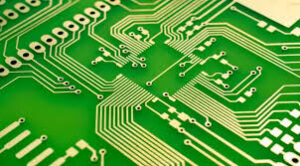
Can pcb board assembly manufacturings improve signal performance?
Solder Paste Application: This step involves applying a thin layer of molten solder onto the components on the PCB to bond them and connect them to the copper layer, creating an electrical connection. This step is typically performed using a stencil, which allows for precise depositing of the solder paste and helps prevent defects such as bridging or insufficient joint formation. Modern technologies also enable selective soldering, which targets specific areas of the board for precision application of molten solder. This can be especially helpful in reducing the amount of time and labor needed for the PCB assembly process.
PCB Testing and Repair: The final stage of the assembly process is ensuring that all products meet the requirements of the customer’s specifications. This includes undergoing comprehensive test and analysis for both electrical and physical performance. In addition, repairing any defective components is essential to ensure the quality of the finished product.
PCB board assembly manufacturing is a cornerstone of modern electronics production, enabling the creation of everything from smartphones to industrial control systems. The process requires a delicate balance of precision, speed, and quality to meet the demands of today’s technology-driven world. As innovations continue to shape the industry, manufacturers are poised to deliver even more sophisticated and reliable electronic products. After inspection, the boards undergo functional testing to verify their performance. This includes In-Circuit Testing (ICT), which checks individual component functionality and circuit continuity, and Functional Testing (FCT), which simulates the board’s operation in its intended environment.
PCB assembly is a complex and time-consuming process, which requires meticulous oversight and attention to detail. This is why it’s important to partner with a trusted and experienced manufacturer with an established track record of quality, efficiency, and reliability. A reputable manufacturer will have a team of dedicated and knowledgeable engineers who can provide support and guidance throughout the entire process, from design to final product. In addition, they will offer competitive pricing and delivery times to meet the needs of all customers.